
KCNT1/Slack Ion
Channelopathy &
Epilepsy Research
KCNT1 Epilepsy Foundation
Explore publications and access the KCNT1 Registry and Biobank for insights on Slack Ion Channelopathy and epilepsy research.
Access Data & Biospecimens
We partnered with Ciitizen on a U.S. digital natural history study.
Through a partnership with COMBINEDBrain and the Van Andel
Institute we began collection of biospecimens in 2023 are
developing hiPSCs.
Brain tissue from two donors is also available through the NIH
Neurobank.
Apply for access to our Biobank here.
To apply for access to our registry or data, contact
info@kcnt1epilepsy.org
Advancing Research Through Strategic Investment
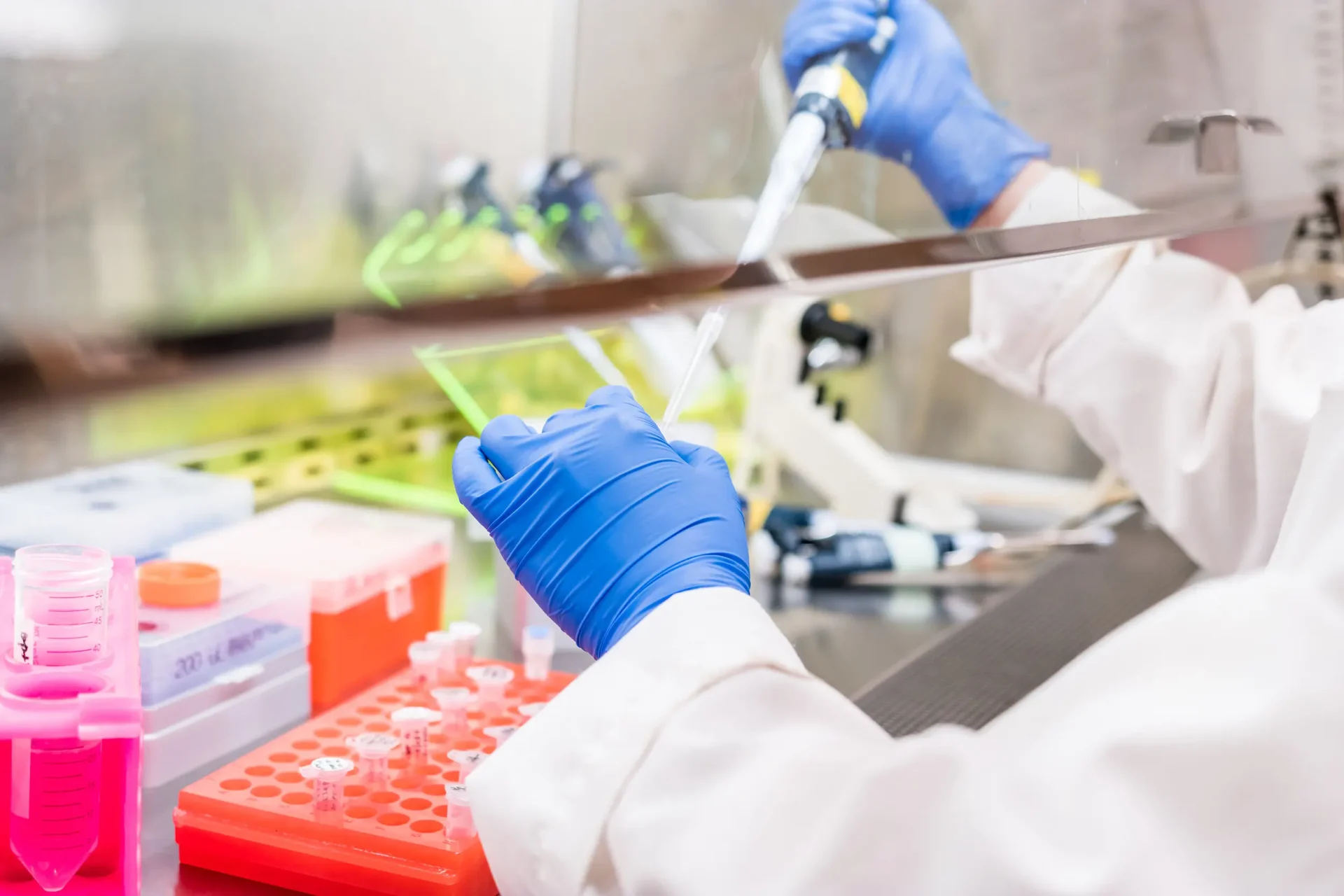
We fund high-impact research designed to accelerate therapeutic development, improve disease understanding, and build the foundation for clinical trials. Our investments span the full pipeline—from disease modeling and data generation to precision medicine and gene-based therapies.
Our Research and Development Priorities
- Identify and develop therapies for our community
- Understand the etiology of KCNT-related epilepsy
- Cultivate an open, inclusive, and collaborative research community
How We Advance Research & Development
- Seed Grants
- Targeted Priorities
- Partnerships
- Patient Registry
- Patient Natural History Study
- Biobank
- Cellular and Animal Models
2024 • Million Dollar Bike Ride Grant
UC Davis – Jill Silverman Lab (Sarah Olguin)
Characterizing seizures in a new mouse model of KCNT1 G288S to better understand disease mechanisms and support preclinical testing.
Impact: Establishes a validated model to test new therapies and understand how KCNT1 mutations drive seizures.
2024 • Seed Grant
Children’s Hospital of Philadelphia – Dr. Jillian McKee
Using electronic medical record data and computational tools to analyze symptoms, medications, and genetic factors in KCNT1-related disorders. This work will inform clinical trial design and improve understanding of disease progression
Impact: Defines real-world disease progression and outcomes to design better, more meaningful clinical trials.
2024 • Co-Funded with CURE Epilepsy
Quiver Bioscience
Developing patient-derived neuronal models using induced pluripotent stem cell (iPSC) technology to study KCNT1 function and enable therapeutic screening in human-relevant systems.
Impact: Builds human-based models to rapidly test and prioritize new treatments.
2024 • Research Grant
NeuCyte
High-throughput functional testing of KCNT1 variants to understand mutation-specific effects and evaluate potential therapeutic approaches.
Impact: Accelerates precision medicine by linking specific mutations to targeted treatment strategies.
2023 • Million Dollar Bike Ride Grant (Co-funded with Penn Orphan Disease Center)
University College London – Dr. Rajvinder Karda
Developing a novel adeno-associated viral (AAV)-mediated RNA editing therapy to reduce production of the mutant KCNT1 protein in EIMFS.
Impact: Advances a potential disease-modifying gene-based therapy targeting the root cause of KCNT1 epilepsy.
Research Roundtables
To watch past presentations from past Research Roundtables see our YouTube Channel.
The Kcnt1 gene
KCNT1 Gene Location: 9q34.3
Definition: Potassium channels represent the most complex class of voltage-gated ion channels from both functional and structural standpoints. Their diverse functions include regulating neurotransmitter release, heart rate, insulin secretion, neuronal excitability, epithelial electrolyte transport, smooth muscle contraction, and cell volume. This gene encodes a sodium-activated potassium channel subunit which is thought to function in ion conductance and developmental signaling pathways. Mutations in this gene cause the early-onset epileptic disorders, malignant migrating partial seizures of infancy and autosomal dominant nocturnal frontal lobe epilepsy. Alternative splicing results in multiple transcript variants.
[provided by RefSeq, Dec 2012]
KCNT1 EPILEPSY SUMMARY
Clinical Characteristics: KCNT1-related epilepsy is most commonly associated with intractable seizures (40-100 per day) and severe developmental delay and impairment. Most patients never learn to walk or communicate. The two most common phenotypes are epilepsy of infancy with migrating focal seizures (EIMFS, reclassified from MMPSI/MPSI) and autosomal dominant nocturnal frontal lobe epilepsy (ADNFLE). Less common seizure phenotypes include West syndrome, Ohtahara syndrome, early myoclonic encephalopathy, leukodystrophy, focal epilepsy and multifocal epilepsy. The consequences of the variants can include cortical visual Impairment, neuroirritability, gastroesophageal reflux, constipation, neurogenic bladder, hip dysplasia, hypotonia, and dystonia. Some children develop pulmonary collaterals and cardiac arrhythmias which increase the risk of mortality. Children are also at risk for sudden unexpected death in epilepsy (SUDEP).
Molecular Genetics:
| Gene | Chromosome Locus | Protein | ClinVar |
| KCNT1 | 9q34.3 | Potassium channel subfamily T member 1 | KCNT1 |
Data are compiled from the following standard references: gene from HGNC; chromosome locus from OMIM; protein from UniProt.
Diagnosis: The diagnosis is established in a patient with intractable epilepsy and identification of a heterozygous pathogenic variant in KCNT1 by genetic testing. No formal clinical diagnostic criteria for KCNT1-related epilepsy have been published to date.
Prevalence: The prevalence of KCNT1-related epilepsy is unknown. Based on published and pending reports, at least 300 cases have been identified worldwide, making this an ultra-rare disorder (fewer than 20 cases per million people). One prevalence model predicts that there are approximately 3000 worldwide cases. A lack of access to gene panel testing in much of the world is likely responsible for the 2800 undiagnosed cases. Fortunately, free genetic testing is available (in some countries) through the Behind the Seizure program originally established by Invitae and BioMarin.
Existing Therapies: There are no FDA-approved therapies for KCNT1-related epilepsy. This is a patient population with a high unmet need. Seizures are treated with conventional anticonvulsant medications, but most patients show minimal improvement. Ketogenic diet is helpful in reducing seizure burden for some patients. Quinidine has been used as an off-label anticonvulsant with success in some individuals. Support such as physical therapy, speech therapy, and vision therapy is commonly utilized but rarely helps children achieve normal developmental milestones.
Experimental Therapies:
Antisense Oligonucleotides (ASOs): There are currently several groups working on ASO drug development. ASO treatment for KCNT1 involves a “knockdown” strategy.
Available Preclinical Models:
There are both iPSC derived neuronal models and multiple mouse models (including humanized mouse models) available for KCNT1 research and drug development. 2D and 3D models are also available. Contact us. info@kcnt1epilepsy.org
Registry/Natural History Study/Biobank:
The Foundation sponsors a detailed, secure and re-contactable patient database with a list of known variants for KCNT1 mutations. We have over 100 persons with KCNT1 variants in the registry. We are building a biobank for iPSC development and trio genome testing. Contact info@kcnt1epilepsy.org
A digital natural history study using patient medical records and genetic reports for over 50 patients in the U.S. is available through Ciitizen.
Challenges of Ultra-rare disorders:
Delay in diagnosis: Because of the extremely small number of children impacted by this disease, most physicians, including pediatric epilepsy specialists, have little experience with diagnosing and managing these complicated cases.
The small population also creates barriers for drug development. Ultra-rare diseases typically attract less attention from researchers and drug developers.
Identifying a sufficient number of cases to participate in a clinical trial can be challenging. Coordinating trials with a small number of patients spread across the country, or the world, creates additional barriers.
Potentially Overlapping Areas:
There is increased interest in the KCNT1 variants possibly due to the fact that the KCNT1 Slack channels in neurons are known to influence intellectual development and could potentially have implications for one of the largest causes of intellectual impairment (Fragile X) and autism. In addition, researchers interested in hearing are interested in KCNT1 because these ion channels are involved in the function of hair cells within the cochlea.
Publications
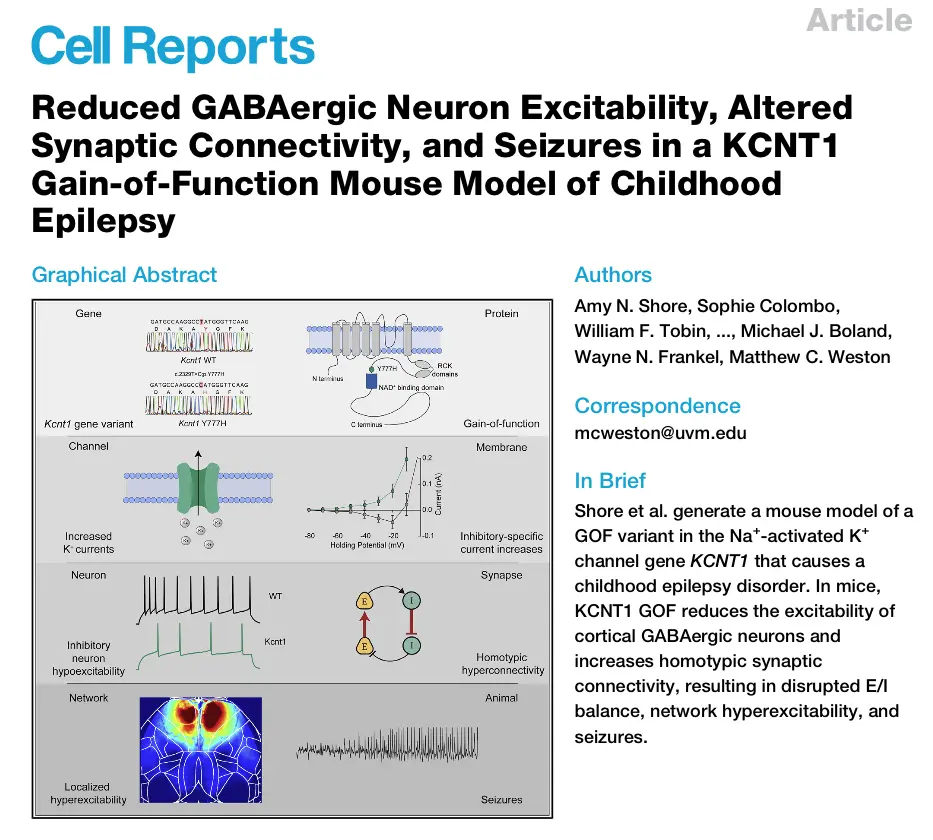
Drosophila expressing mutant human KCNT1 transgenes make an effective tool for targeted drug screening in a whole animal model of KCNT1‐epilepsy
Rashid Hussain1, Chiao Xin Lim1,2, Zeeshan Shaukat1, Anowarul Islam1,3, Emily A. Caseley 4,
Jonathan D. Lippiat 4, Grigori Y. Rychkov 1,5,6, Michael G. Ricos1 & Leanne M. Dibbens 1*
Jing Wu, Lynda El-Hassar, Dibyadeep Datta, Merrilee Thomas, Yalan Zhang, P. Jenkins David, Nicholas J. DeLuca, Manavi Chatterjee, Valentin K. Gribkoff, Amy F.T. Arnsten, Leonard K. Kaczmarek
Jing Wu, Imran Quraishi, Yalan Zhang, Mark Bromwich, Leonrad K Kaczmarek
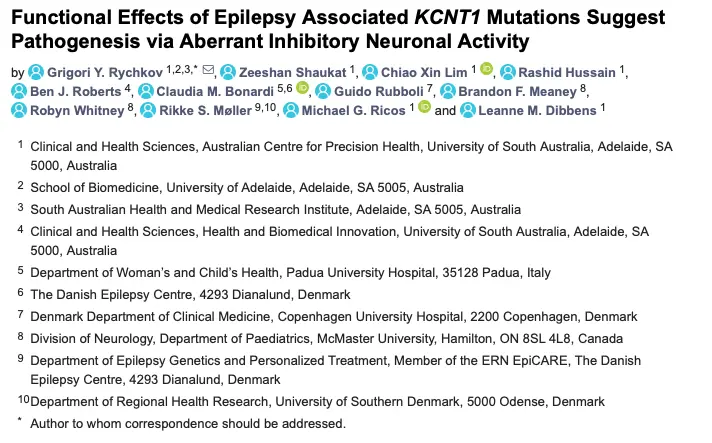
Grigori Y. Rychkov 1,2,3,*, Zeeshan Shaukat 1, Chiao Xin Lim 1, Rashid Hussain 1, Ben J. Roberts 4,
Claudia M. Bonardi 5,6, Guido Rubboli 7, Brandon F. Meaney 8, Robyn Whitney 8, Rikke S. Møller 9,10,
Michael G. Ricos 1 and Leanne M. Dibbens 1
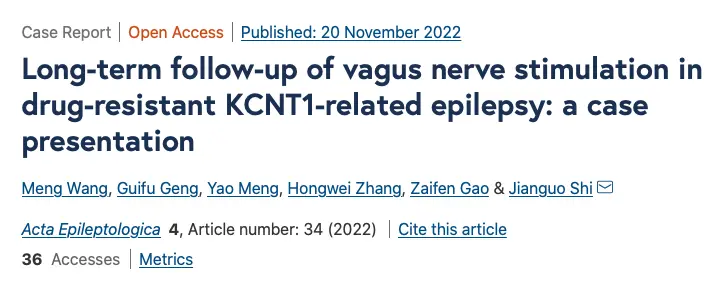
Case Report: VNS in a KCNT1 patient
Meng Wang, Guifu Geng, Yao Meng, Hongwei Zhang, Zaifen Gao & Jiangua Shi
Department of Epilepsy Center, Children’s Hospital Affiliated to Shandong University, Jinan Children’s Hospital, Jinan, 250000, China
Department of Functional Neurosurgery, Children’s Hospital Affiliated to Shandong University, Jinan Children’s Hospital, Jinan, 250000, China
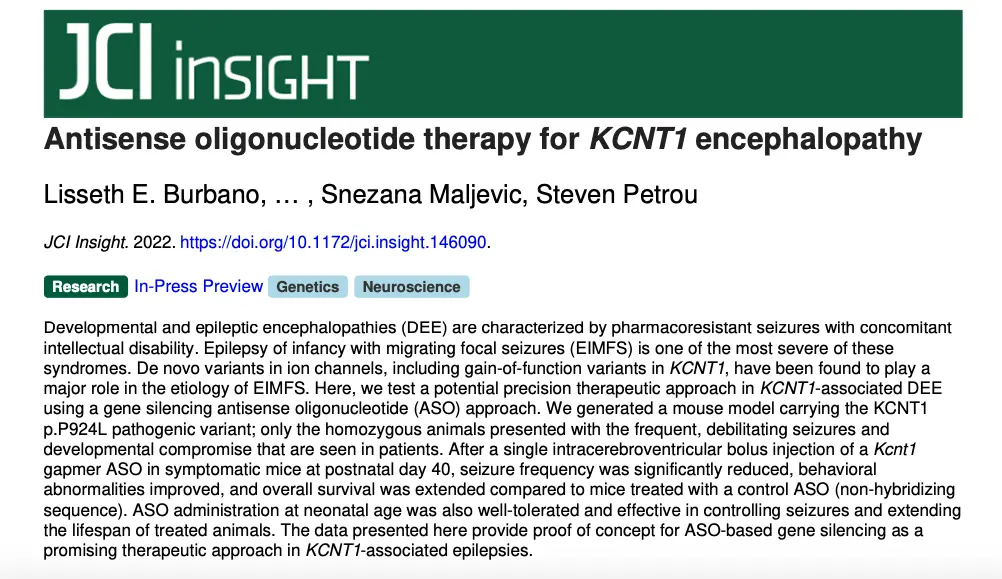
Antisense Oligonucleotide Therapy for KCNT1 Encephalopathy
Lisseth Burbano, Snezana Maljevic, Steven Petrou, et al
September 2022
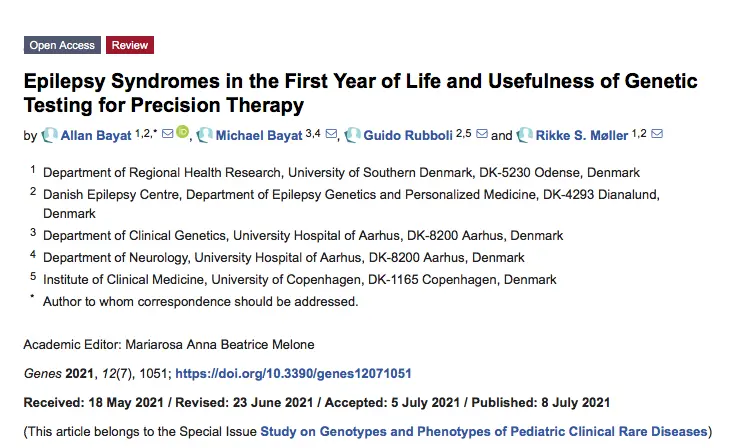
Epilepsy Syndromes in the First Year of Life and Usefulness of Genetic Testing for Precision Therapy
Rikke S Moller, Guido Rubboli, et al
July 2021
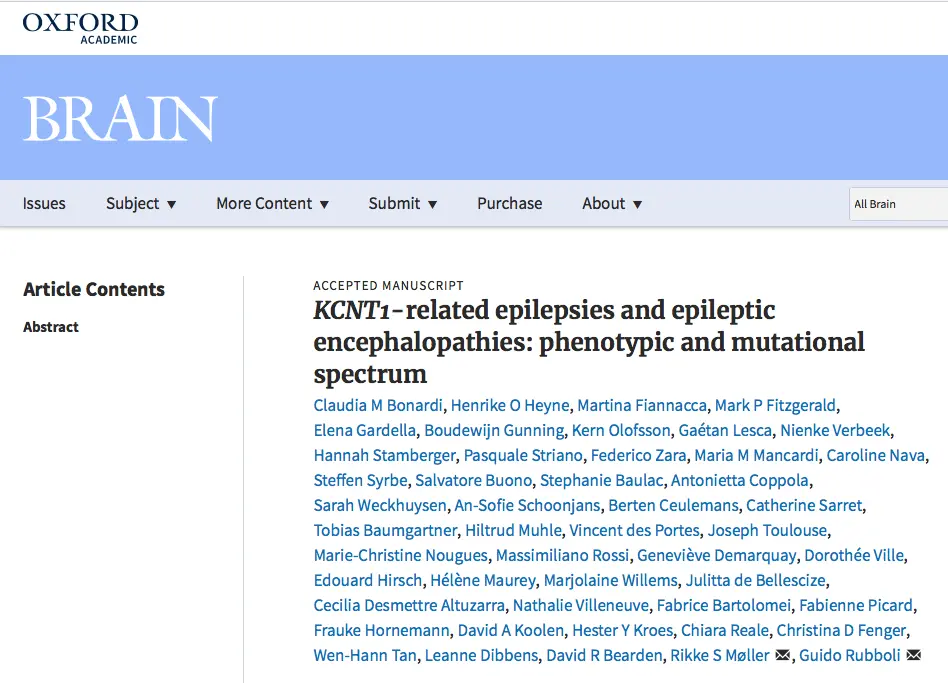
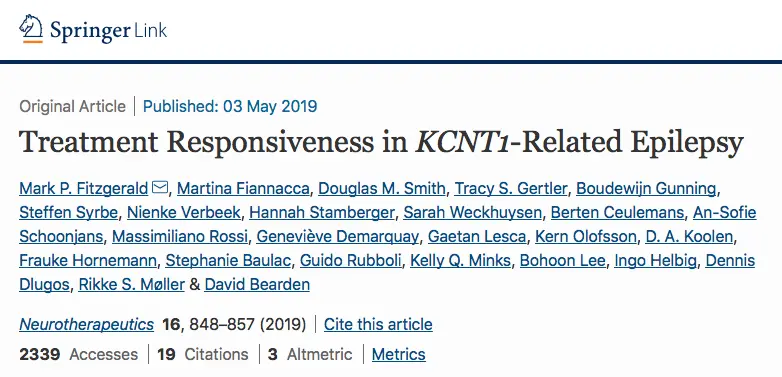
KCNT1-related epilepsies and epileptic encephalopathies: phenotypic and mutational spectrum
David R Bearden, Rikke S Moller, Guido Rubboli, et al
June 2021
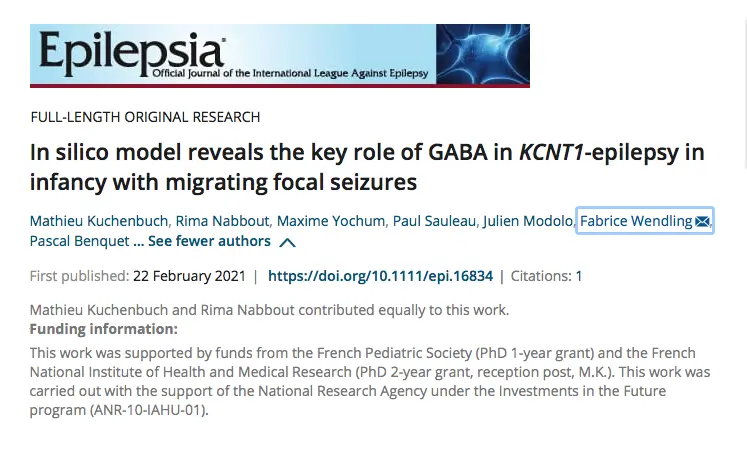
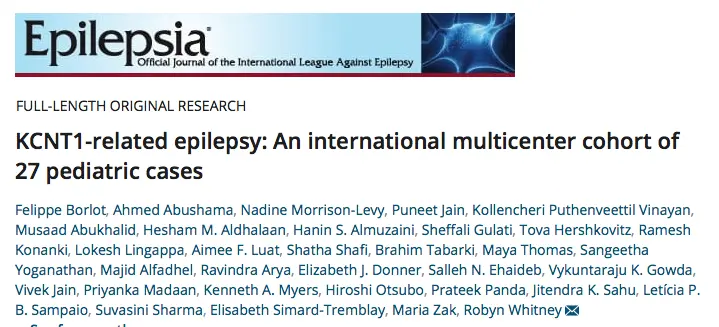
KCNT1-related epilepsy: An international multicenter cohort of 27 pediatric cases
Felippe Borlot, Robyn Whitney
March 2020
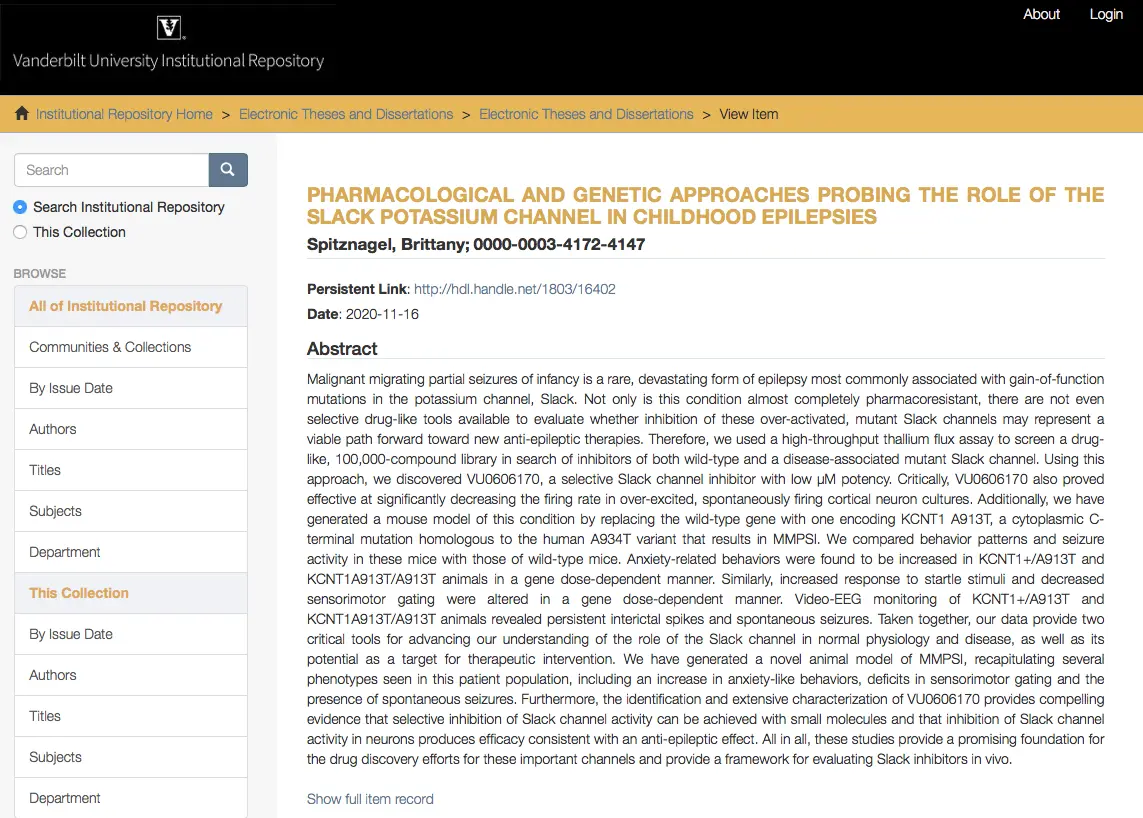
Spitznagel, Brittany
November 2020

Tracy Gertler, MD, PhD, David Bearden, MD, MSCE, Arin Bhattacharjee, PhD, and Gemma Carvill, PhD.
September 2018
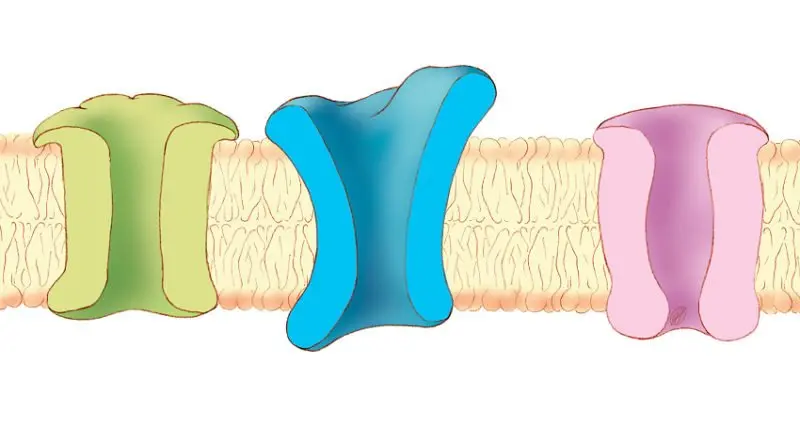
What is the Link Between ALS and KCNT1
Could research into KCNT1 epilepsy benefit ALS research and vice versa? Click to read more. An ALS-Associated Mutant SOD1 Rapidly Suppresses KCNT1 (Slack) Na+-Activated K+ Channels in Aplysia Neurons
- Latest issue of Currents, from American Epilepsy Society
journals.sagepub.com/toc/epi/current - Beyond the Ion Channel – Overview of KCNT1
epilepsygenetics.net/tag/kcnt1/ - Children’s Hospital of Philadelphia – Overview of KCNT1
www.chop.edu/conditions-diseases/kcnt1-related-epilepsy
- An ALS-Associated Mutant SOD1 Rapidly Suppresses KCNT1 (Slack) Na+-Activated K+ Channels in Aplysia Neurons
- Overlaps, gaps, and complexities of mouse models of Developmental and Epileptic Encephalopathies
- Links to more KCNT1 Articles
pubmed.ncbi.nlm.nih.gov/?term=KCNT1&sort=date
www.ncbi.nlm.nih.gov/books/NBK525917/
pubmed.ncbi.nlm.nih.gov/32166973/
- EIMFS/ MPSI/ MMPSI
https://pubmed.ncbi.nlm.nih.gov/31618474/
- The Epilepsy-Associated KNa1.1 (KCNT1) Potassium Channel
www.cell.com/iscience/fulltext/S2589-0042(20)30285-6